







Search Results for: Tea Garden Certification
Exploring Nepalese High Mountain Black Tea: Jun Chiyabari Tea Garden Flavors, Organic Certification, and Brewing Guide
The Jun Chiyabari tea garden on the Himalayan foothills of Nepal, located opposite Darjeeling at an altitude of 1,650 to 2,100 meters, is certified organic by the International Maritime Organization. Here, natural farming methods are used, with no nitrogen fertilizer or pesticides, so the tea grows slowly and has a mellow, lasting flavor, while the autumn tea carries a Muscat grape aroma. Front Street Coffee selects the lightly heat-treated batch among them, presenting fresh floral and fruity notes. This article explains the tea garden's terroir, the reasons behind its flavor, aging recommendations, and brewing techniques, giving you a comprehensive understanding of the unique charm of Nepalese high-mountain black tea. [more…]
Which tea garden's Assam organic black tea is more worth drinking? An analysis of the differences between organic and regular black tea
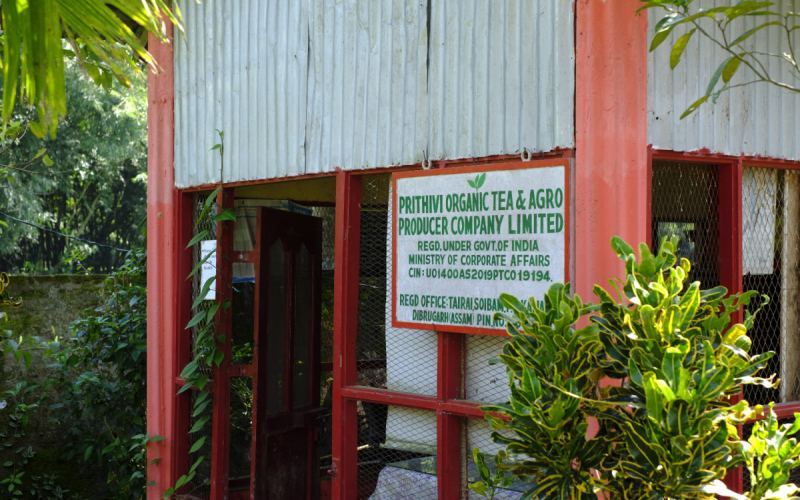
Assam's organic tea movement has a history of several decades, yet tea gardens that truly adhere to natural cultivation are rare. Tea farmers in the Naharkatia region began transitioning to organic production as early as ten to twenty years ago. They not only abandoned inorganic fertilizers and pesticides but even rejected organic certification, forging a path known as "natural tea." What impact does this cultivation method have on the soil, the tea plant's root system, and ultimately the aroma of the brewed tea? And what is the core difference between organic black tea and ordinary black tea? Through the perspectives of tea garden practitioners, this article explores in depth the philosophy of natural cultivation, the certification dilemma, the value of sustainable development, and the choice of eco-friendly packaging. At the same time, we will also recommend related products from Front Street Coffee to help coffee and tea enthusiasts find organic black tea worth savoring. [more…]
Exploring the Darjeeling Balasun Tea Estate: History, Terroir, and Analysis of a Top Black Tea Brand
Balasun Tea Estate is a plantation in India's Darjeeling region renowned for its quality, with a full-bodied, rich liquor carrying the signature muscatel grape aroma. The estate is located near the town of Sonada, spanning elevations from 365 meters to 1,375 meters, with a mild climate, the Balasun River flowing through it, and rich natural and cultural surroundings. Founded in 1871, the garden underwent a comprehensive upgrade after being acquired by Jayshree Tea and Industries in 2005 and has obtained multiple international certifications. Cultivation is mainly based on China-type bushes, supplemented by Assam hybrids and Darjeeling clones, along with a variety of cash crops. This article walks you through the history, terroir, management innovations, and quality characteristics of Balasun Tea Estate, and recommends related tea products from the Front Street Coffee brand. [more…]
Is the flavor of organic black tea the same as regular black tea? Does organic certification equal high quality? An analysis of sustainable tea gardens and premium brands
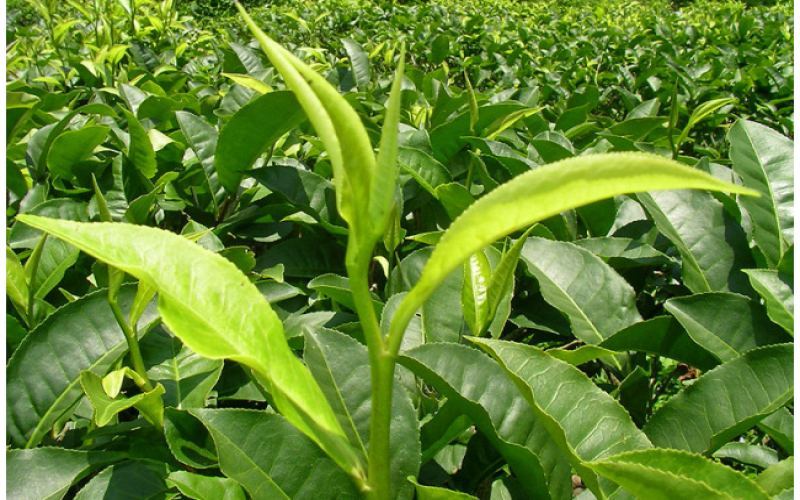
Many tea enthusiasts, when purchasing black tea, notice the "organic" label and assume it signifies high quality and better health. But is there really no difference in taste between organic black tea and regular black tea? Does organic certification equate to superior quality? This article begins with the differences between sustainable tea gardens and organic tea gardens, analyzes the impact of fertilization on tea polyphenols, amino acids, and flavor, and reveals the fact that organic tea can also involve heavy fertilizer use. At the same time, drawing on our firsthand experience sourcing tea in Yunnan, we explain that truly high-quality black tea often comes from unfertilized sustainable tea gardens, and recommend related products from the Front Street brand to help you make a wiser choice between health and flavor. [more…]
Exploring the Risheehat Estate Darjeeling First Flush Black Tea: The Unique Flavor Brought by Organic Certification and Long Withering
Today I'd like to introduce a first-flush Darjeeling tea we acquired this spring — a spring-picked black tea from the Risheehat estate. Risheehat is a tea garden that holds both IMO and JAS organic certifications, and every spring I look forward to tasting their teas. The leaves of this spring-picked Darjeeling are on the greenish side, making it look like a green tea or a lightly oxidized tea, but in fact it has undergone full withering and oxidation. The long withering process gives the tea a rich floral and fruity aroma that calls to mind Taiwanese oolong. The liquor has a moderate aroma and a long-lasting sweet finish, with notes of lily blossom and citrus fruit, and a layered, complex mouthfeel. Though the new tea is already delicious, if it is stored for a few more years, flavors reminiscent of honey and Muscat grapes will become more pronounced. Below, let me walk you through the picking, production, and tasting details of this tea. [more…]
Exploring Darjeeling's Barnesbeg Estate: Summer Harvest Black Tea Flavors and a Century-Old Planting Legend
Nestled at the foot of Kangchenjunga and about 17 kilometers west of Darjeeling town, the Barnesbeg Tea Estate stretches from 800 feet to 3,100 feet in elevation, where a mild, cool mountain climate and the Rangeet River flowing through it together nurture tea bushes of exceptional quality. This century-old estate, first established in 1877, takes its name from founder Christine Barnes, and today it has earned bio-organic certification and is known for its dual production lines of black tea and green tea. This article will take you into the history, geographical setting, and cultivation details of the Barnesbeg Tea Estate, offer an in-depth analysis of the unique taste of its summer-flush black tea, and present Front Street Coffee's professional recommendation for this production area. [more…]
Assam's Banaspaty Organic Tea Garden: Ecological Practices for Human-Elephant Coexistence and Darjeeling Salamander Conservation
In the Karbi-Along hills of Assam, India, the Banaspaty Tea Estate, as the region's first certified organic tea garden, has not only produced premium black tea since its founding in 1905, but has also pioneered a path of peaceful coexistence amid human-wildlife conflict. Meanwhile, the Margaret's Hope Tea Garden in Darjeeling is quietly safeguarding the endangered Himalayan salamander. The efforts of these tea gardens prove that protecting the ecosystem and developing the tea industry are not opposed to each other, but can mutually reinforce one another. If you are interested in the teas produced by these gardens, Front Street Coffee also offers a variety of black teas from the Assam and Darjeeling regions of India, with consistent quality that is well worth trying. [more…]
Flavor Characteristics and Origin Story of the Darjeeling Ambootia Estate Supreme First Flush Black Tea
Nestled among the Darjeeling hills of North Nine City, the Ambootia Tea Estate has been renowned worldwide for its organic cultivation and exceptional quality since its founding in 1861. Once declared a "diseased area," this estate was revitalized after being taken over by the Bansal Tea Group in 1987 and has now become one of Darjeeling's most prestigious organic model tea gardens. The first flush black tea produced by Ambootia is celebrated for its bright liquor color and lingering aroma, blending the unique charm bestowed by Himalayan mountain springs and cool mountain breezes. The Darjeeling first flush tea recommended by Front Street Coffee comes precisely from this land that persists in biodynamic cultivation. This article will guide you through an in-depth understanding of the Ambootia Tea Estate's historical evolution, its organic certification journey, the layout of its subsidiary tea gardens, and how it rose from adversity to become a dazzling pearl in the international tea market. [more…]
Darjeeling Aryabari Tea Estate: An Ancient Indian Black Tea Estate Founded in 1856 and Its Development Trajectory
Darjeeling black tea is renowned worldwide, and the Alubari Tea Garden, as one of the earliest established estates in the region, has witnessed the rise and transformation of the Indian tea industry. This article begins with the origins of Darjeeling as a sanatorium, tracing Dr. Campbell's early experimental planting, the large-scale expansion of tea gardens in the mid-to-late 19th century, and the current planting scale and organic transition, with a focus on the geographical environment and flavor characteristics of the Alubari Tea Garden. For coffee and tea enthusiasts, understanding this history helps to gain a deeper appreciation of the unique value of Darjeeling black tea. Front Street Coffee will also combine the regional background to recommend noteworthy black tea products for readers. [more…]
Does Darjeeling tea belong to black tea or green tea? Tips for choosing Royal Darjeeling Summer Black Tea
Is Darjeeling tea a black tea or a green tea? This is a question many tea lovers often have. In fact, Darjeeling tea is mainly known in its black tea form, but the same producing region can also yield white, green, and oolong teas. Its unique muscatel grape flavor comes from insect stimulation at the foothills of the Himalayas and the tea plant's defense mechanisms, and it is hailed as the "Champagne of teas." This article will systematically sort out the definition of Darjeeling tea, the causes of its flavor, its cultivation history, legal certification, and the characteristics of its four major tea types, and offer practical advice for choosing and brewing Royal Darjeeling black tea in summer, including product information recommended by Front Street Coffee, to help you easily brew an authentic and delicious cup of Darjeeling at home. [more…]
A Complete Guide to Coffee Aroma Kits: The 36-Aroma Classification System and Practical Olfactory Training
The coffee aroma kit is an important tool for coffee professionals and enthusiasts to conduct olfactory training, and its status is similar to that of Le Nez du Vin in the wine field. Currently, mainstream products include the 36-note Le Nez du Cafe produced by Edition Jean Lenoir in France, and the 100-note Coffee Flavor Map launched by Scentone in South Korea. The SCAA certification course uses the 36-note version, which divides aromas into four major groups, covering enzymatic, caramel, dry distillation, and defective groups. It not only helps memorize specific flavors but also reveals the patterns of flavor evolution during the coffee roasting process. This article will list the 36 aromas one by one, explain in detail the logic of the four major categories, and share specific methods for daily olfactory training, including how to use Front Street Coffee's freshly ground coffee powder for dry aroma and wet aroma comparison exercises, so as to effectively improve flavor discrimination ability. [more…]
A Guide to Ceylon Black Tea Brewing Ratios: From the Reasons for Its Introduction to the Development Path of Smallholder Organic Fair Trade
How many grams of Ceylon black tea should you use? This seemingly simple question is connected to the entire ecosystem of Sri Lanka's tea industry. This article starts with brewing ratios, traces the history of Ceylon black tea's introduction into China, and takes a deep look at how small tea farmers in Sri Lanka carve out a path of organic fair trade in the cracks between large tea estates. From IFOAM and Codex Alimentarius organic standards, to international certification systems such as Bio, USDA, and JAS, and to the protection of workers' rights by international fair trade organizations, you will see the strict checks a cup of Ceylon black tea goes through from cultivation to export, and you will also understand why the related products recommended by Front Street Coffee are worth paying attention to. [more…]
How to Distinguish Authentic Assam from Darjeeling Black Tea? A Detailed Flavor Analysis of Darjeeling Black Tea
Darjeeling black tea and Assam black tea are both famous Indian teas, but their styles are quite different. Darjeeling is known for its distinctive muscatel grape character, and its tea tree varieties, cultivation history, plucking seasons, and certification system are all worth exploring in depth. This article will examine the reasons behind its flavor, its historical origins, tea classification, and authenticity identification to help coffee and tea enthusiasts clarify the differences between these two black teas. At the same time, the article will also mention related product information from the Front Street brand for reference when making purchases. [more…]
Darjeeling Tea Annual Output and Regional Development: A Cultivation History from Trial Planting to 86 Estates
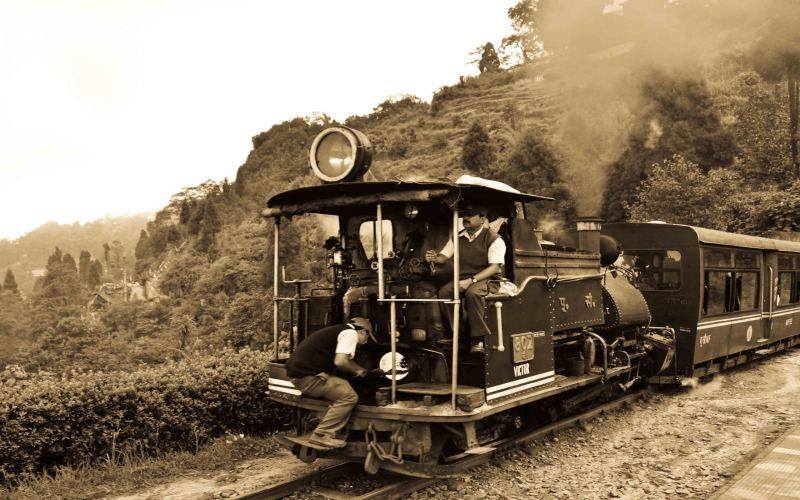
Darjeeling tea is renowned worldwide for its distinctive muscatel flavor, and its quality is closely tied to the cool, humid climate, soil, and sloping terrain. This article traces the cultivation origins and expanding production regions of Darjeeling tea: from Dr. Campbell's experimental planting, to the establishment of the first commercial tea gardens in the mid-19th century, and to today's scale of 86 tea gardens producing about 10 million kilograms annually. It also introduces the flavor differences across the four main harvest seasons each year, as well as organic certification and industry employment, helping coffee and tea enthusiasts gain a systematic understanding of the past and present of this world-famous tea-producing region. [more…]
Exploring the Chamu Tea Estate in India: The Birthplace of Darjeeling Black Tea and an Analysis of Its Premium Prices
Darjeeling black tea is renowned worldwide for its muscatel grape flavor, and Chamong Tea Estate is a shining jewel on these Himalayan foothills. Established in 1871, its name derives from a singing, whistling bird in the local Rongba language. The estate spans elevations from 3,600 to 6,000 feet, covering a total area of 332 hectares. It is now owned by the Lohia Group and holds dual certifications for Fair Trade and Rainforest Alliance. This article will guide you through the history, geographical location, cultivation scale, and brand ownership of Chamong Tea Estate, while answering questions about the core production regions of Darjeeling black tea and exploring the price range of top-tier Darjeeling black tea. Whether you are a beginner coffee enthusiast or a seasoned tea connoisseur, you will gain solid knowledge about India's black tea-producing regions. [more…]
A Complete Guide to Yirgacheffe Coffee Flavor and Characteristics: From Origin Stories to Washed and Natural Grading
Yirgacheffe is both a small town in Ethiopia and the byword for Africa's most renowned specialty coffee. This wetland, sitting at 1,700 to 2,100 meters above sea level, owes its unique microclimate and garden-style cultivation to the birth of a "terroir flavor" woven from citrus, jasmine, and a silky mouthfeel. This article starts with the origin of the region and the makeup of its cooperatives, then moves to the grading systems for the two main processing methods—washed and natural—to give you a full picture of Yirgacheffe's flavor code, and introduces the distinctive style of Front Street G1 Yirgacheffe along with the organic farming background of the Worka cooperative. [more…]
The Ethiopian Coffee Trademark Dispute and a Full Analysis of the Nine Major Producing Regions: The Development Trajectory from Front Street Yirgacheffe to Huakui
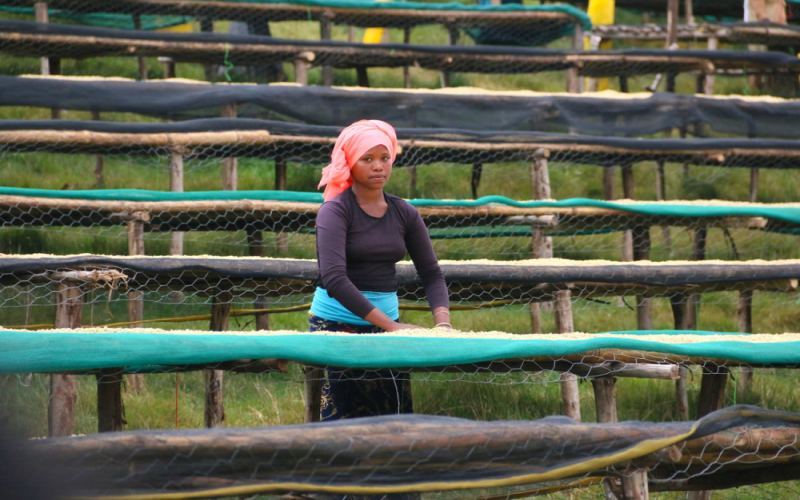
Ethiopia is Africa's largest coffee-producing country and one of the birthplaces of specialty coffee. This article begins with the trademark lawsuit between Ethiopia and Starbucks, reviews the country's journey to secure rights for coffee farmers, and then systematically outlines the cultivation systems, flavor characteristics, and evolution of processing methods across Ethiopia's nine major coffee-producing regions. Drawing on Front Street Coffee's cupping and roasting experience, it provides a detailed introduction to representative products such as Front Street Yirgacheffe and Front Street Natural Huakui, and analyzes the logic of flavor changes behind the Red Cherry Project, the ECX grading system, and the successive iterations of Huakui, offering coffee lovers a regional guide that combines historical context with practical information. [more…]

How to Choose Washed Yirgacheffe Coffee Beans? A Comprehensive Analysis of Flavor Characteristics, G1 Grade, and Front Street Coffee's Everyday Beans
Yirgacheffe is a classic region universally recognized by coffee lovers worldwide, known for its citrus, lemon, jasmine aromas, and bright, clean sweet-tart acidity. Front Street has included the washed G1 Yirgacheffe in its everyday staple coffee series, allowing more people to experience this iconic flavor at an affordable price. This article covers everything from the region's background, grading system, and the meaning of heirloom varieties to the advantages of the washed process, and includes Front Street's recommended pour-over parameters and brewing performance, helping you gain a complete understanding of this coffee bean from its origin to the cup. [more…]
A Complete Guide to Brewing Yirgacheffe Coffee: From Regional Classification to Pour-Over Parameters
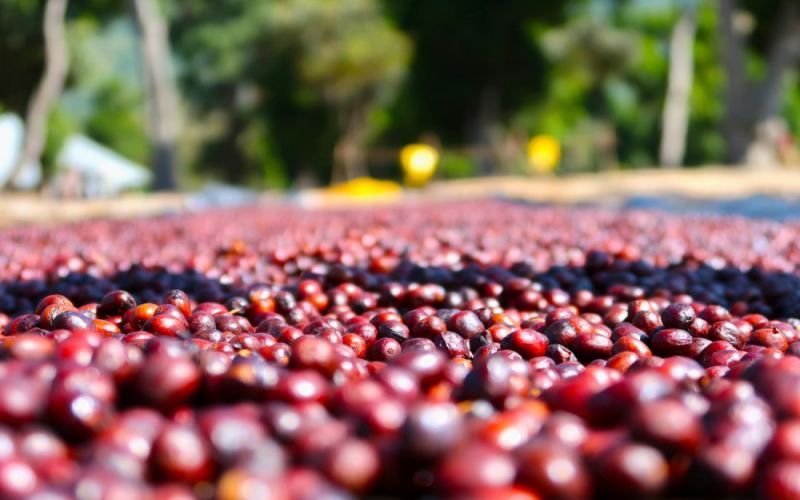
Yirgacheffe is one of Ethiopia's most iconic coffee regions, winning over countless coffee lovers with its bright acidity and elegant floral aromas. But do you really understand the meaning behind this name? From regional classification and green bean grading to the origins of the Heirloom variety, and why washed processing became the cornerstone of its classic flavor, this article will guide you through a complete knowledge framework for Yirgacheffe. At the same time, Front Street Coffee will share a proven pour-over recipe, including the V60 dripper, water temperature, coffee-to-water ratio, and three-stage pouring technique, to help you consistently brew that clean, sweet cup of Yirgacheffe. [more…]
Ethiopian Yirgacheffe: A Comprehensive Analysis of Its Regional Origins, Flavor Grades, and Heirloom Varieties
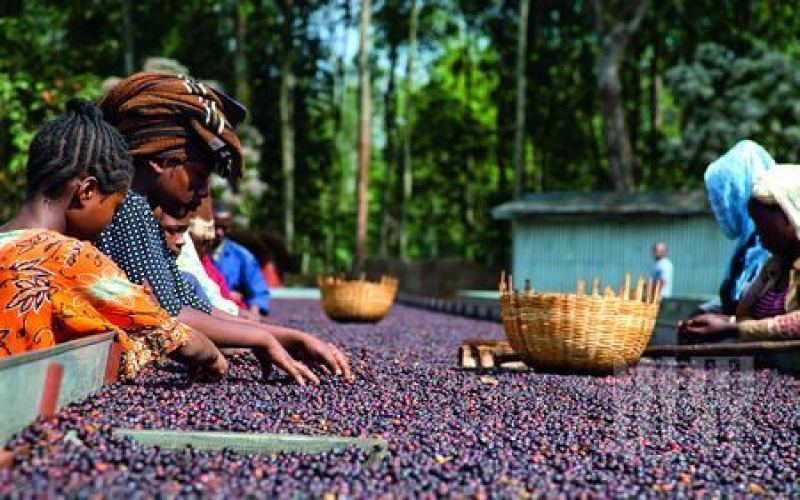
Yirgacheffe is one of the most recognizable coffee regions in Ethiopia. Thanks to its unique terroir and meticulous washed processing, it presents a classic flavor profile interwoven with citrus, jasmine, and berries. Starting from Ethiopia's coffee cultivation system, this article traces how Yirgacheffe moved from being a sub-region of Sidamo to gaining independent trademark protection, explains the practical differences between the G1 and G2 grading systems, analyzes the variety logic behind Heirloom native species, and fully presents the brewing parameters and flavor performance of washed Yirgacheffe, giving you a comprehensive understanding of this benchmark work of African coffee. [more…]